

- A rare, unforgettable guest experience: Castle Hot Springs’ monthly falconry events let guests see hawks, falcons, and owls up close and in flight. It’s an incredibly interactive way to connect with the desert’s wild beauty.
- Perfect setting for raptors: The resort’s Sonoran terrain and canyon backdrop create an ideal natural stage to witness these birds’ power, speed, and precision in the air.
- History and conservation impact: The program highlights falconry’s ancient roots while spotlighting the Arizona Raptor Center’s rehabilitation work helping injured or displaced raptors recover and return to the wild.
Wings Over the Desert: Falconry Arizona style
A hawk lifts off from the falconer’s glove, its razor-sharp talons pushing against the leather as it unfurls its great, beating wings. In one fluid burst of power, the bird propels itself forward, rapidly launching into flight. There’s a whooshing sound as its feathers create thrust, leaving the falconer behind in a rush of air. In a fraction of a second, the hawk is gone, soaring in the sky.
The ancient art of falconry, believed to be at least 4,000 years old, began as a means of subsistence. Raptors, such as hawks, eagles, falcons and owls, were trained to hunt for food in the wild for humans. In the Middle Ages, it evolved into the sport of kings who prized birds of prey as status symbols. Increasingly falconry came to be seen as an artistic, aesthetic pursuit inspiring numerous works of visual art.
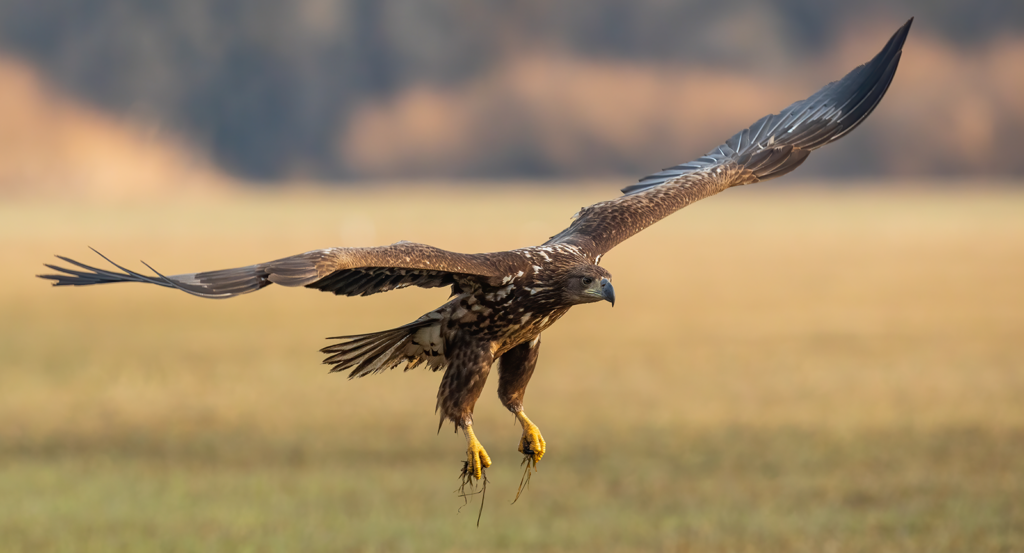
Today, falconry is a way to connect with nature. UNESCO has recognized falconry as “a living human heritage” on its Representative List of the Intangible Cultural Heritage of Humanity, an indicator of how widespread and culturally significant the practice remains. In the U.S., falconry is a tightly regulated sport and a means of wildlife conservation. These carnivorous birds play a crucial role in ecosystems by helping to regulate populations of smaller animals.
At Castle Hot Springs, guests have the rare opportunity to see apex predators such as magnificent hawks, falcons and owls up close and in flight at monthly events with skilled falconers from the Arizona Raptor Center. Guests also learn about the history of falconry, training techniques, and conservation efforts.
Arizona Raptor Center is a non-profit organization that rehabilitates injured raptors and displaced juveniles, conducts research, and works to educate the public about wildlife conservation. Their goal is to provide the medical care needed for these birds to adequately hunt and capture prey so they can be re-introduced to their natural habitat.
A Natural Stage for Raptors
Castle Hot Springs is tucked within a canyon in the Bradshaw Mountains, offering a physical and mental escape from the urban energy of nearby Phoenix and Scottsdale. This retreat into nature is the perfect environment for a falconry experience, viewing and photographing birds of prey against a dramatic background of the Sonoran desert landscape.
Standing in the canyon puts you in the same natural environment as the raptor. You feel the desert wind that the bird is reading, and see the immense majesty of the space it flies over.
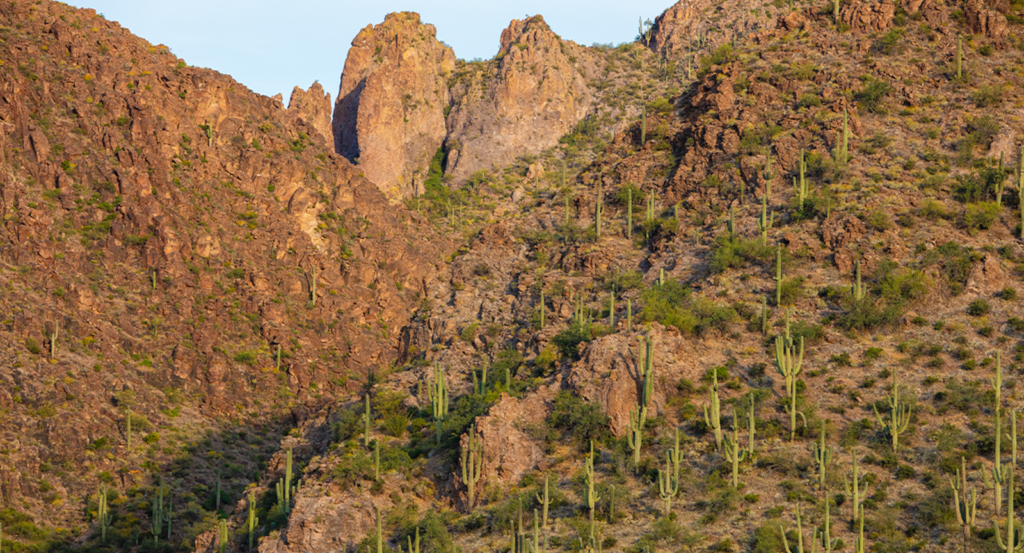
The falconry events at Castle Hot Springs, in partnership with the Arizona Raptor Center, are designed as both a demonstration and a window into conservation. Guests witness birds of prey in action as falconers showcase the symbiotic partnership and techniques behind the sport. They also share the history of falconry and the role it can play in education and wildlife stewardship.
You’ll meet a variety of raptors, like hawks, falcons, and owls. Each has distinct strengths and personalities. Some birds are built for speed and open-air pursuit. Others are specialists in stealth or precision.
Guests can view the birds at close range, admiring their plumage and learning what the variations in color and pattern indicate. They’ll also appreciate how each bird’s physique of eight sharp talons, hooked beaks, and powerful legs is designed for hunting. Keen vision (up to eight times that of a human’s), acute hearing, and diverse wing shapes for different flying styles are additional attributes.
When you see a raptor on the glove, you notice details most people miss in the wild: the structure of the feet, the intense focus of the gaze, and how the bird springs into flight. Guests will soon discern that falcons follow the canyon cliffs on updrafts; hawks use their broad wings to soar and ride thermals; and owls fly silently, low and slow over the terrain.
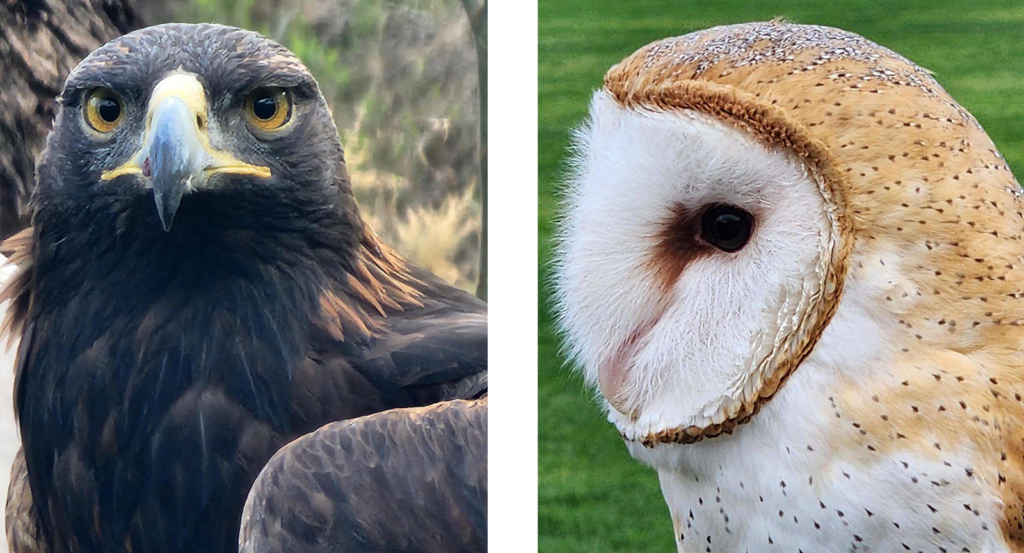
The resort’s falconry Arizona events build on the Arizona Raptor Center’s mission to educate, conserve, and rehabilitate raptors so they can be returned to their natural habitats. Guests come away with a clearer understanding of why these birds matter ecologically, culturally, and emotionally. It’s also a reminder that the beautiful Sonoran Desert is a wild, working ecosystem of hunters and survivors.
We rarely have the opportunity to watch an apex predator up close, in nature, guided by someone who understands both the bird and the terrain. These falconry events at Castle Hot Springs are one of the resort’s most unusual offerings, and one of the best ways to connect with nature.
Upcoming falconry events take place on the first Saturday of the month through June. Learn more here to plan your next getaway.