


By: Babs Harrison
- Discover the benefits of seasonal cooking at Castle Hot Springs, where fresh, nutrient-rich ingredients from the three-acre farm inspire a nourishing farm to table cooking experience.
- Explore what vegetables grow in Arizona winter and throughout the year, from sweet root vegetables and leafy greens in cooler months to refreshing melons, tomatoes, peppers and herbs in warmer seasons.
- Learn how gardening in Arizona, regenerative farm practices, and cooking with fresh herbs shape the menus at Harvest and contribute to the resort’s holistic wellness philosophy.
Eating with the seasons nourishes both body and soul. Just as the natural world follows a rhythm of the changing seasons, so do our appetites shift throughout the year. In cooler weather, we crave heartier foods like creamy bisques, roasted squash and braised meats. When temperatures rise, we desire more refreshing foods with a high water content like juicy watermelon, cucumbers and tomatoes.
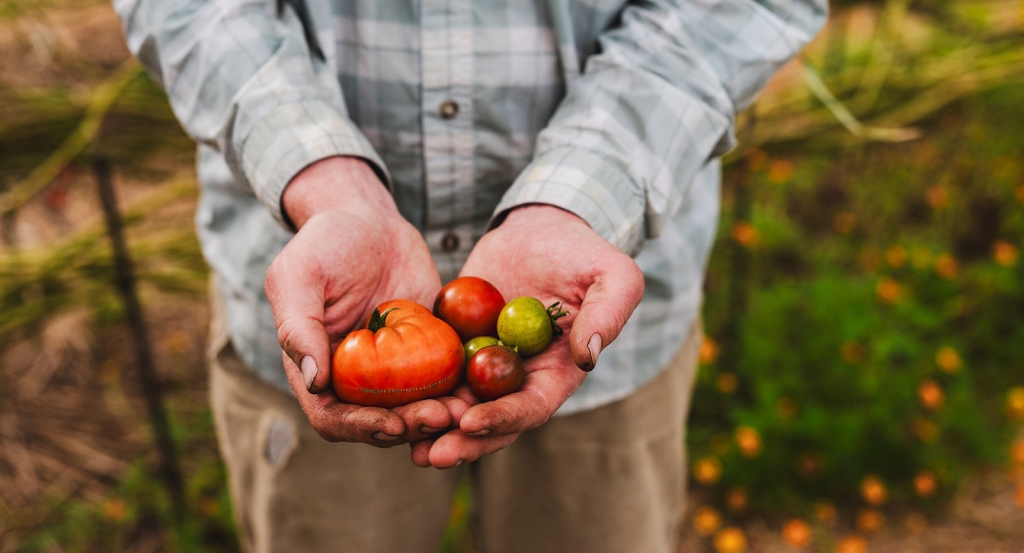
With today’s global supply chains, however, it’s easy to fall out of sync with the seasons. We’re accustomed to seeing the same produce in supermarkets year-round. No longer must we wait for summer to eat a ripe tomato. But if you want a really great-tasting tomato, there is no substitute for one that’s grown in healthy soil, harvested at peak ripeness, and enjoyed on the spot, not shipped long distances.
That’s the philosophy behind the seasonal, hyperlocal farm to table cooking at Castle Hot Springs, a wonderfully secluded Sonoran Desert oasis where guests are encouraged to slow down and reconnect with the natural environment.
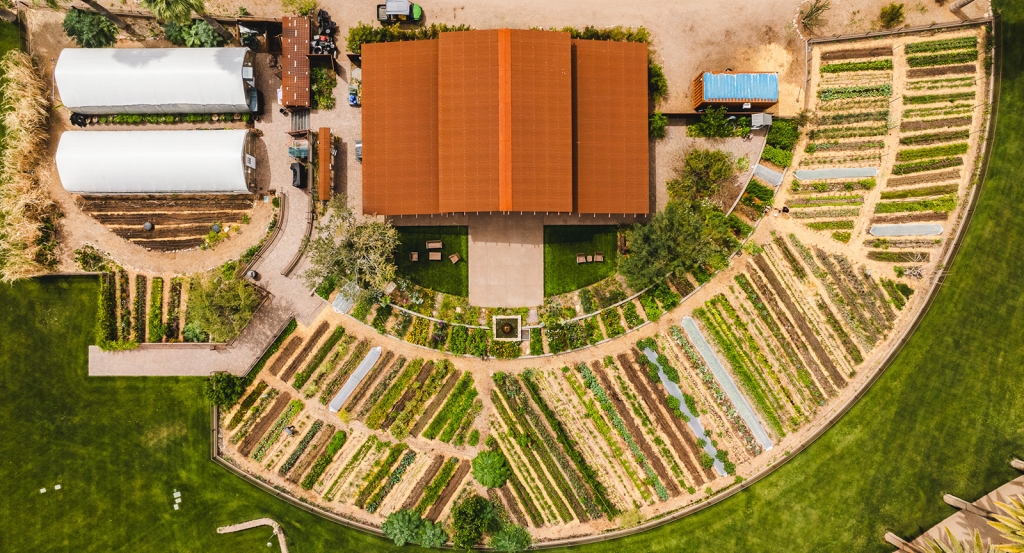
Food is just one element of the resort’s holistic approach to wellness, but an essential one. With a three-acre farm, gardens and greenhouses right on the property and a restaurant named Harvest, the message is clear: Seasonal ingredients are king at this castle.
A Taste of Arizona’s Changing Seasons
Executive Chef Chris Knouse draws inspiration for his dinner tasting menus from what he discovers while walking through the farm each morning, tasting what’s ripe and ready to harvest. He’s never far from the garden, physically or creatively. In fact, his office sits right in the middle of it.
At Harvest, you’re always eating what’s in season. Most of what’s on the plate is grown on the farm, with fresh produce picked daily. There’s an extraordinary variety of crops in Arizona, and more than 150 varieties are planted at the Castle Hot Springs’ farm at any one time, using organic and regenerative farming practices and water from the natural mineral springs. The dedication to nurturing the land is reflected in the exceptional flavor of the harvest.
“I don’t need to do much to it as I want to let the ingredients shine,” says Chef Knouse.
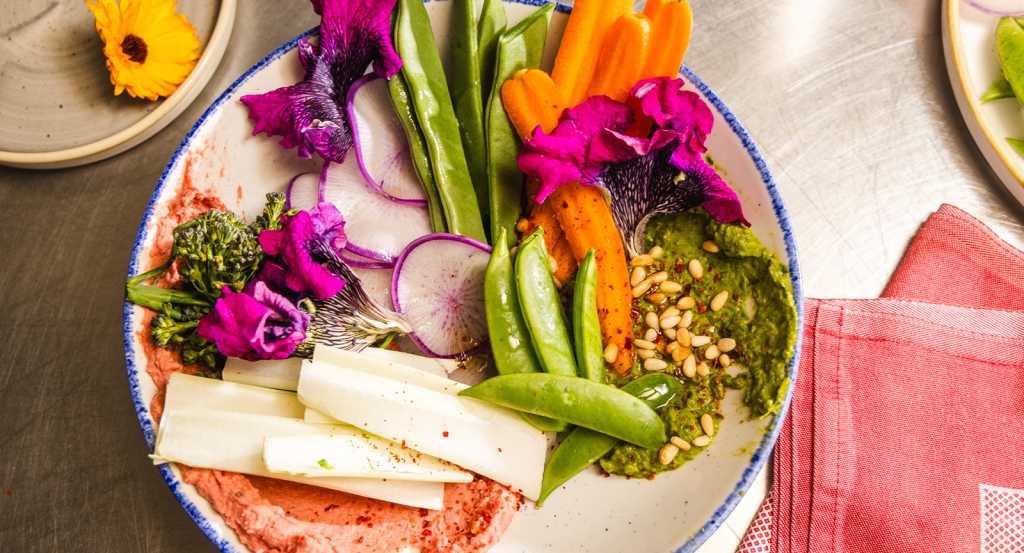
Yet simplicity on the plate is supported by considerable thought and creativity behind the scenes. No matter the season, Chef Knouse considers not only flavor, but nutritional balance. Cooking with fresh herbs adds aromatic complexity. Texture and temperature add further dimensions like smooth and crunchy, warm and cool, or tender and crisp. Color is equally important for presentation, and the garden offers a painter’s palette of colors in the guise of edible tiny flowers and petals.
Arizona has distinctive growing seasons, and the canyon at Castle Hot Springs produces an abundance of fresh ingredients throughout the year. Unlike much of the country, winter gardening in Arizona is a time when many crops flourish. Greenhouses and planned planting cycles extend the harvest even further.
Seasonal cooking introduces variety into the diet, with different fruits and vegetables supplying an array of vitamins, minerals, fiber and antioxidants. As the harvest changes, so do the flavors, and nutritional benefits.
Fall and Winter: Comforting Flavors That Nourish
Wondering what vegetables grow in Arizona winter? The cooler months bring a bounty of root vegetables, leafy greens, and cruciferous crops that thrive in the desert’s mild winter climate.
Carrots, Hakurei turnips, beets, and radishes are among the seasonal favorites. Colder temperatures can encourage certain vegetables to produce more sugar, enhancing their natural sweetness. Chef Knouse can balance those sweeter notes with contrasting acidity or a touch of bitterness to create more complex flavors.
Among the best vegetables to grow in Arizona during winter are kale varieties such as Toscana and Red Russian, along with broccoli, cauliflower, and an assortment of tender salad greens. Nasturtium leaves, rich in vitamin C and other beneficial plant compounds, can be transformed into a peppery pesto.
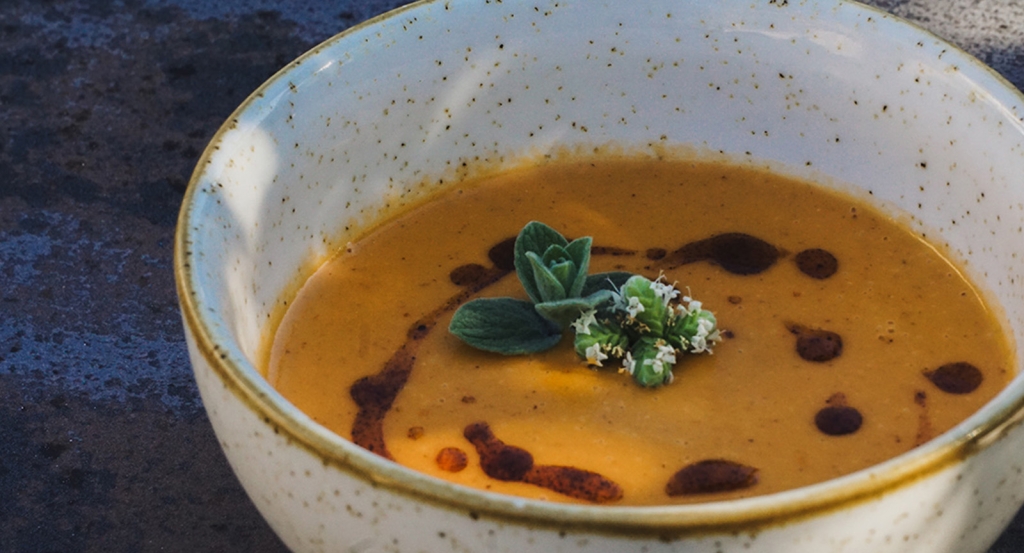
These nutrient-dense vegetables provide an abundance of possibilities, from velvety bisques and hearty soups to colorful winter salads and roasted vegetable dishes. Kale and other leafy greens supply vitamins C and K, while carrots and winter squash are excellent sources of beta-carotene that the body converts into vitamin A to support immune function and healthy vision.
With vegetables as flavorful as these, the simplest preparations are often the most satisfying. Roasting root vegetables brings out their natural sweetness, and a finishing touch of fresh herbs or a squeeze of winter citrus from the property’s trees adds brightness without overwhelming the primary flavors.
Spring: Fresh Beginnings and Vibrant Flavors
Spring brings a sense of renewal to the Sonoran Desert, and the changing harvest inspires lighter preparations in the kitchen.
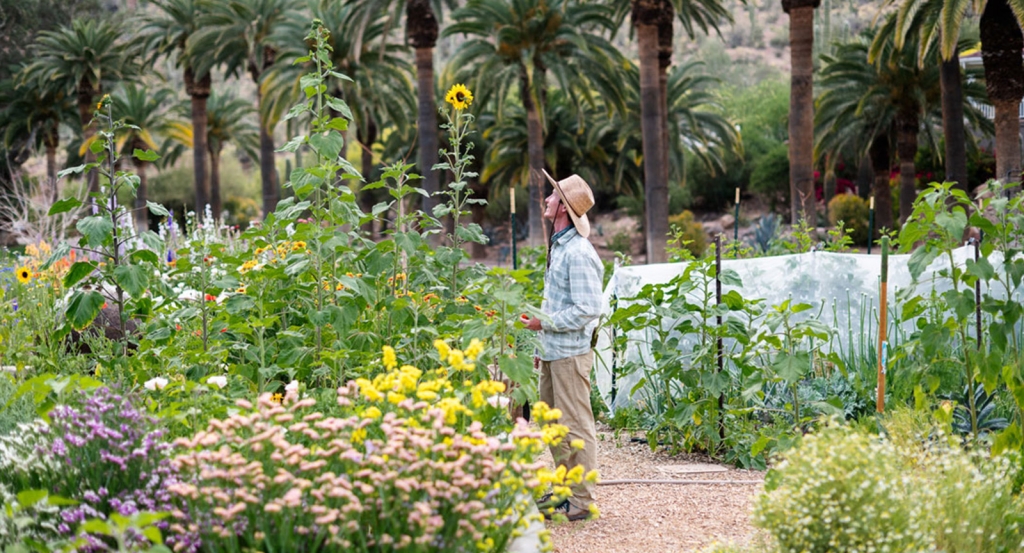
Tomatoes are a specialty at Castle Hot Springs, where they even have their own dedicated glass greenhouse. A variety of hybrid tomatoes, greens, asparagus, snap peas, ramps, herbs such as basil, spring flowers, citrus, and stone fruits contribute to the spring season’s harvest.
The freshest vegetables in season need little embellishment, finding their way into colorful salads, lightly grilled side dishes and delicate vegetable soups. Simple preparations such as blanching, steaming or light sauteeing help preserve delicate textures and allow the fresh flavors to shine.
Spring’s bounty also provides a nutritional boost. Leafy greens are excellent sources of folate and vitamin K. Asparagus and peas provide fiber, vitamins, and minerals to support overall health.
Just as the spring garden awakens with new growth, Harvest’s fresh flavorful dishes complement the spirit of renewal guests experience during a stay at Castle Hot Springs.
Summer: Refreshing Foods That Hydrate and Revitalize
When Arizona temperatures soar, the culinary focus turns toward lighter, more refreshing foods.
Watermelon, cantaloupe, cucumbers, tomatoes, peppers, summer squash, fresh herbs, and berries offer bright flavors, vibrant colors, and a wealth of nutrients. Many also have a high water content making them especially satisfying for summer meals.
Watermelon and cucumbers, for example, contain more than 90 percent water. Bell peppers are rich in vitamin C, and melons supply potassium, an electrolyte that plays an important role in muscle function and fluid balance.
Chef Knouse combines and contrasts summer’s bounty in unexpected ways. A chilled watermelon and cucumber gazpacho, brightened with mint and cilantro, brings together sweetness and acidity with refreshing herbs. Paired with fresh vegetables and light proteins, it’s a nourishing meal that feels right in the summer heat. Summer-harvested watermelon is also used in the resort’s electrolyte beverages, another example of how the seasonal bounty contributes to the guest’s wellness experience.
Nourished by Nature with Seasonal Cooking
At Castle Hot Springs, healthy flavorful food is harvested year-round, and the menus at Harvest reflect the garden’s ever-changing bounty.
The connection between the land and the table is part of a larger wellness philosophy rooted in nature. From restorative soaks in mineral-rich hot springs and adventures in the Sonoran Desert to beautifully prepared meals inspired by the season’s harvests, every experience encourages a reconnection with the seasons, propelling us to live in better harmony with nature.
When it comes to nourishment and wellbeing, Mother Nature really does know best.